
Most training content fails for a pretty simple reason: Employees don’t have time for it.
Nobody wants to stop their workday to sit through a 45-minute training module filled with generic examples and bloated explanations. Employees want answers fast. They want practical guidance. And they want it in the moment they actually need it.
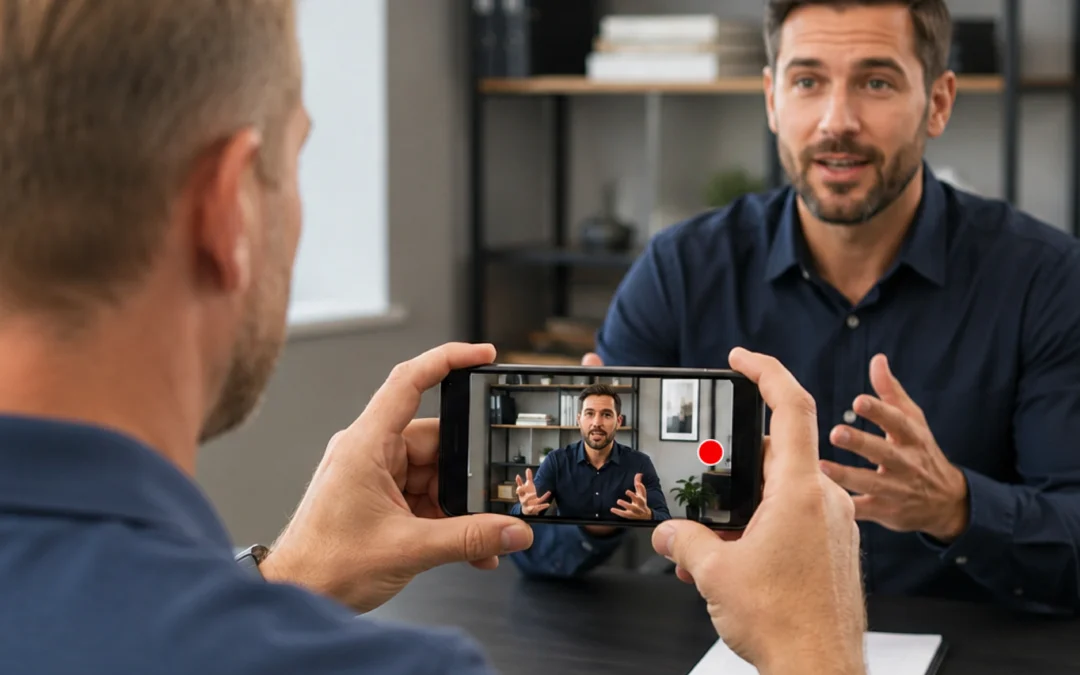
Video-based microlearning offers short, focused trainings that are easier to consume, easier to remember and dramatically easier to apply in real-world situations. But creating effective microlearning videos requires more than simply pointing a phone camera at someone and hoping for the best.
The most successful organizations follow a repeatable structure that keeps training clear, memorable and actionable. And interestingly enough, the best framework for creating effective microlearning videos often comes from the same place employees already spend hours every day: User-generated content platforms like TikTok, YouTube and Instagram.
The reason these platforms work so well is because they understand how people naturally learn. Great creators grab attention quickly, explain something useful, provide context and leave viewers with a single clear takeaway. This same structure works incredibly well for workplace learning.
The 4-Step Formula
By following this four-step formula, users can create effective microlearning videos employees will actually watch, remember and apply:
Question → Answer → Why → Result
It sounds simple because it is simple. The best user-generated content doesn’t overcomplicate learning. It delivers exactly what employees need without wasting time.
Let’s break down each step.
Step 1: Start With the Question
The intro of any microlearning video matters enormously. In fact, you have only three seconds to capture your audience’s attention. Employees immediately want to know: “Why should I care about this?”
As a result, effective microlearning videos always begin with context. The opening question tells employees when and why the information matters. It also helps learners quickly identify whether the content is relevant to their situation. For example:
“What do I do when a customer asks about a back-ordered item?”
Good opening questions typically focus on a:
- Common problem
- Recurring task
- Frequent mistake
- Real-world scenario
- Moment of uncertainty
Employees don’t learn well through abstraction. They learn when information connects directly to situations they encounter every day, so the best user-generated content mirrors real workplace challenges instead of hypothetical corporate examples.
Step 2: Give the Answer Quickly
Once the context is established, the video should move directly into the solution. Be warned, this is where many training videos go off the rails. Instead of getting to the point, they drown team members in unnecessary explanations, background information and filler language.
Effective microlearning videos do the opposite. They focus on a small number of actionable steps or just two or three core ideas. For example:
“First, I check warehouse inventory. If it’s delayed, I offer the customer the closest alternative.”
Employees don’t need every possible detail upfront. They need enough information to act confidently in the moment.
Step 3: Explain the “Why”
This step is what helps learning really stick. Anyone can memorize steps temporarily. But if team members don’t understand why something works, they’re far less likely to remember or apply it later.
The “why” creates meaning and helps employees adapt when situations change. Accordingly, this step should briefly explain why the process or behavior is effective. For example:
“This keeps the conversation positive and gives the customer a solution immediately.”
Strong user-generated content excels here because experienced employees naturally explain the reasoning behind their actions while demonstrating tasks. And honestly, that reasoning behind the task is often more valuable than the task itself.
Step 4: End With the Result or Takeaway
The final step is reinforcement. Employees should leave the video with one memorable idea they can immediately apply. For example:
“The secret is to give customers options quickly so they don’t feel stuck waiting.”
That single sentence becomes the takeaway employees remember later during real client interactions and provides the reinforcement to learning because the brain remembers concise conclusions far better than overloaded explanations.
The best user-generated content leaves employees with one crystal-clear action or insight that’s easy to remember.
Why This Formula Works So Well
The reason this framework is so effective is because it mirrors how people naturally learn on the job. Employees don’t need massive amounts of information all at once. (They won’t remember it.) Instead, they need a situation, solution, reason and takeaway.
That’s it.
This structure also works extremely well with short-form video because it respects employee attention spans. Research shows people forget roughly 70% of new information within 24 hours and nearly 90% within a week when learning is delivered in large information dumps. Short, focused learning combats this forgetting curve far more effectively.
And, because user-generated content is typically created by coworkers instead of corporate trainers, it feels more trustworthy and relatable. Employees want to know: “How does this work HERE, right NOW, for ME?” Peer-created content answers that question naturally.
Authenticity Beats Polished Production
One of the most surprising findings is that highly polished training content often performs worse than simple, authentic videos. Why?
Because polished content feels like advertising. Meanwhile, slightly imperfect user-generated content feels real. Consequentially, audiences trust authentic peer-created content up to 9.8 times more than highly produced brand content. Humans naturally connect more strongly with real problems, real environments and real solutions.
A quick two-minute walkthrough filmed on a phone often drives more engagement than a professionally scripted video. Authenticity creates trust and trust dramatically improves learning outcomes.
Keep It Short and Searchable
One of the biggest mistakes organizations make with microlearning is forgetting the “micro” part. Effective microlearning videos should stay under two minutes. Employees aren’t looking for lectures; they’re looking for quick answers.
The best user-generated content is short, specific and searchable. And because you don’t need a production team, it’s also easy to update when policies or practices change.
This creates a living library of institutional knowledge employees can access anytime. Instead of asking managers the same questions repeatedly, team members can quickly search and find relevant training content exactly when they need it.
Stop Reinventing. Start Replicating.
Inside every organization are employees who have already figured out better ways to do the job. They know the shortcuts, the best practices and the small adjustments that improve performance. The problem is that most organizations never capture that knowledge.
Instead of constantly reinventing training from scratch, organizations can scale the expertise already inside their workforce with user-generated content. When employees become contributors instead of passive learners:
- Knowledge spreads faster
- Engagement increases
- Institutional knowledge gets preserved
- Training becomes more relevant
- Learning becomes continuous
The organizations that learn fastest are rarely the ones with the fanciest training departments. They’re the ones that make it easiest for employees to share what works.
See how the 4-Step Formula can help you revitalize your company’s training and drive profitability by scheduling a meeting to speak with a Tyfoom training consultant today!