Because communication without accountability – especially reinforcement – is noise.
As a result, employees too often see communication from their company as noise. They have to find ways to filter and prioritize, and without accountability or an innate interest in the subject matter, they discount altogether.
Every update, reminder, or announcement is a missed opportunity if it doesn’t help employees learn, improve, or perform better. Forward-thinking organizations are changing that by transforming everyday messages into micro-moments of reinforcements for training: short, relevant learning touchpoints embedded directly into the flow of work.
This approach doesn’t require massive programs or lengthy courses. It relies on daily learning: small, consistent interactions that build skills, reinforce expectations and keep teams aligned in real time.
When done right, daily learning turns communication into a powerful performance engine.
The Cost of Communication That Doesn’t Teach
Poor workplace communication costs U.S. businesses an estimated $1.2 trillion every year in lost productivity, rework and disengagement. Leaders waste time repeating instructions. Employees spend hours searching for information. Mistakes multiply because expectations weren’t clear the first time or weren’t remembered.
On average, workers lose nearly 8 hours per week to ineffective communication. That’s nearly one full workday per employee, every week. If the average wage in the U.S. is $31 per hour, that’s $12,900 wasted per employee per year.
Even more concerning: most organizations rely on one-way messaging. Leaders push out information and hope it sticks. But without reinforcement, context or follow-up, most of that information becomes dust in the wind.
Research shows employees forget 70% of new information within 24 hours and 90% within a week when learning is presented in traditional formats. It’s not a matter of motivation, but rather an issue with delivery.
Daily Learning Works When Traditional Communication Fails
The brain wasn’t made to learn in bulk. It needs relevance, rest and application for concepts to stick long-term. Learning every day leverages these three key principles of cognitive science:
Relevance: Information is remembered when it’s delivered at the moment of need.
Rest: Learning distributed over time dramatically improves retention.
Application: Skills that are immediately applied create neural pathways in the brain, cementing learning into long-term memory.
Instead of relying on quarterly training sessions or long emails, daily learning delivers short, targeted content repeatedly, in small doses. These micro-moments reinforce behaviors, clarify expectations and turn knowledge into habit.
This is the secret to moving from awareness to action.
Rather than asking employees to remember something they heard weeks ago, daily learning ensures they see, practice and revisit critical concepts continuously.
Turning Communication Into Training: The Micro-Moment Model
Every organization already communicates constantly. When messages miss the mark, it’s tempting to solve the problem by adding more communication, but this is a bad idea. Sheer communication volume doesn’t repair disconnect.
That’s like trying to fix a crumbling tower by adding more bricks on top.
Instead, the opportunity is to make existing messages smarter.
Here’s how high-performing companies embed learning into everyday communication:
1. Replace long explanations with short, visual lessons
Because text-heavy messages are hard to remember, they’re easy to ignore. Video, on the other hand, increases engagement and retention dramatically. Visual information is processed up to 60,000 times faster than text, and learners retain up to 80% of what they see.
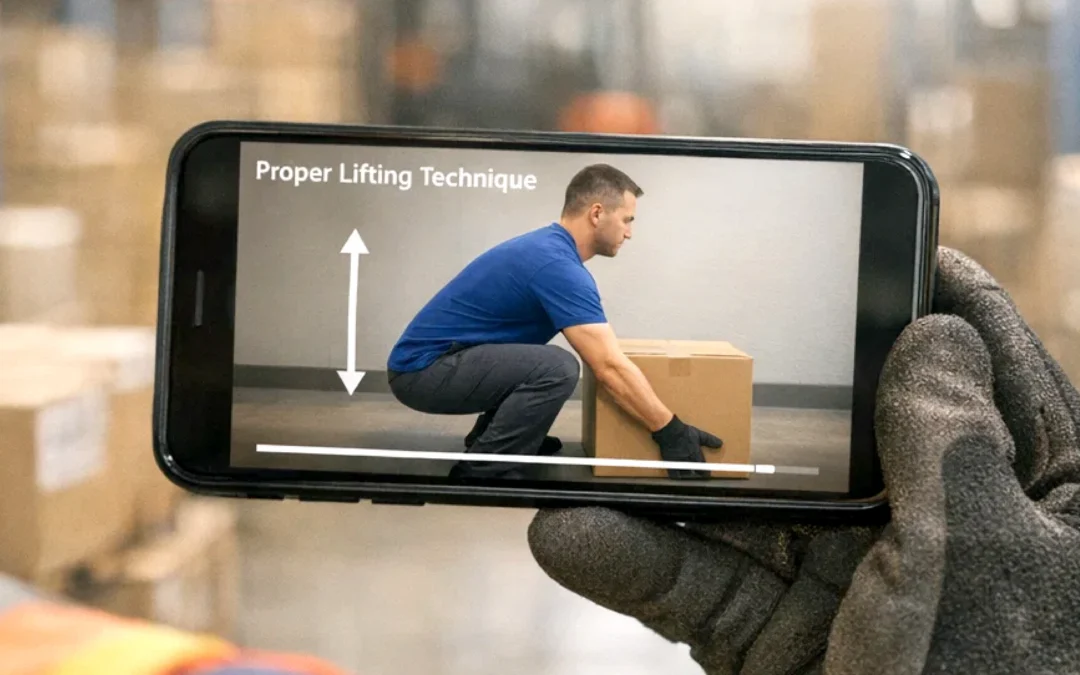
By attaching short videos – typically one to two minutes – to announcements or updates, leaders can instantly transform a message into a training moment. For example:
- A safety reminder paired with a quick demonstration
- A process update explained in a short walkthrough video
- A leadership message reinforced with clear behavioral expectations
Instead of saying, “Please remember to follow procedure,” leaders show exactly what following procedure looks like.
2. Embed best practices into routine updates
Most organizations send frequent operational messages detailing shift changes, project updates, policy reminders, customer service alerts, etc. Each of these is an opportunity to reinforce skills.
By adding a short tip, checklist or example to routine communications, managers turn everyday updates into continuous development. For example:
- A quality reminder includes a 60-second refresher on inspection standards
- A customer update includes a quick clip on service expectations
- A compliance message links to a micro-lesson on safe procedures
Over time, these small reinforcements build stronger habits because daily learning – like the time value of money – compounds.
3. Centralize communication so learning is always accessible
Scattered communication is one of the biggest barriers to performance. Messages live in emails, chats, documents and meeting notes. Employees waste valuable time searching for answers or asking managers to repeat themselves.
Centralized platforms change this dynamic by storing messages and training content in one searchable location. When communication and learning live together, employees can review past messages, access training instantly and refresh skills on demand. This reduces interruptions, eliminates guesswork and empowers teams to solve problems autonomously.
Learning becomes self-service instead of supervisor-driven, and employee satisfaction improves dramatically.
4. Use learning to reinforce accountability
Communication without visibility leads to inconsistency.
Modern platforms provide tracking and analytics that show who has viewed content, completed lessons or engaged with updates. This data creates accountability on both sides – leaders know their messages were received and employees understand expectations clearly.
Microlearning systems make engagement measurable, allowing organizations to identify knowledge gaps early and intervene before mistakes happen. This proactive approach reduces rework, improves compliance and strengthens operational consistency, saving companies money and headaches.
The Engagement Advantage
Employee engagement is one of the strongest predictors of performance. Highly engaged teams deliver 23% higher profitability, experience 41% less absenteeism and see 59% lower turnover.
Yet only about one-third of employees report being engaged at work.
Learning every day directly addresses this gap by creating consistent touchpoints that reinforce purpose, progress and recognition. When employees receive regular micro-lessons, reminders and feedback, they feel supported – not forgotten. They see learning as part of their job, not an interruption from it.
Gamified elements like progress tracking, badges and streaks further boost participation by triggering motivation and momentum. These small wins add up, creating a culture where learning is not only expected, but also publicly valued.
Daily Learning Drives Better Business Outcomes
Embedding training into communication improves engagement and delivers measurable ROI. Organizations that adopt daily learning models consistently report:
- Faster onboarding and time-to-productivity
- Fewer incidents and compliance violations
- Reduced turnover and training costs
- Improved quality and operational consistency
Accenture estimates companies see $4.53 in return for every $1 invested in training, and organizations with strong learning cultures experience 37% higher productivity. (It is my experience that training also helps reduce systematic and human error in the workplace, which is significant because I’ve seen studies say 90% of errors in the workplace are due to lack to training.)
The point is that daily learning amplifies these types of results by making development continuous instead of episodic. Instead of waiting for problems, organizations reinforce expectations every day. Short lessons prevent errors before they occur. Communication becomes a preventive strategy rather than a corrective one.
This shift has profound impact. Managers spend less time re-teaching; employees gain confidence and autonomy; and leadership gains visibility into performance trends. As a result, the company becomes more agile, informed and resilient.
Communication Is Your Most Underutilized Training Tool
High-performing organizations understand that learning doesn’t happen in classrooms – it happens in moments. These micro-moments, delivered consistently through daily learning, reshape how teams operate.
Instead of asking employees to remember everything, leaders design systems that help them succeed. Instead of repeating themselves, managers train once. Instead of hoping messages stick, organizations build learning directly into communication.
By embedding short lessons, reminders and best practices into daily communication, companies create a scalable way to develop talent, improve alignment and drive performance.
Ready to transform your routine updates into continuous employee growth? Schedule a meeting to speak with a Tyfoom training consultant today.